
Living Seasonally: Foods, Rituals & Daily Rhythms

Seasonal living is often spoken about as an aesthetic — cosy mornings, fresh produce, slow rituals — but at its core, it is deeply physiological.
Our bodies are designed to respond to changes in light, temperature, and environment. When we live in alignment with these natural rhythms, the body feels supported, regulated, and more at ease. When we resist them, imbalance often follows.
Living seasonally isn’t about doing more.
It’s about responding differently throughout the year.
What does it actually mean to live seasonally?
Seasonal living is the practice of aligning your food, routines, energy output, and expectations with the natural rhythms of the environment.
For most of us, we’re in a constant, or a near-constant, cycle of summer - movement, pace, high energy. We work through longer days with less rest. While we might be able to maintain this pace of life for a period of time, being stuck in this mode for too long can result in fatigue and burnout.
So, rather than maintaining the same pace, diet, and productivity year-round, seasonal living allows your body to shift — just as nature does.
For women especially, seasonal living pairs beautifully with cyclical living, as both honour fluctuation rather than forcing consistency.

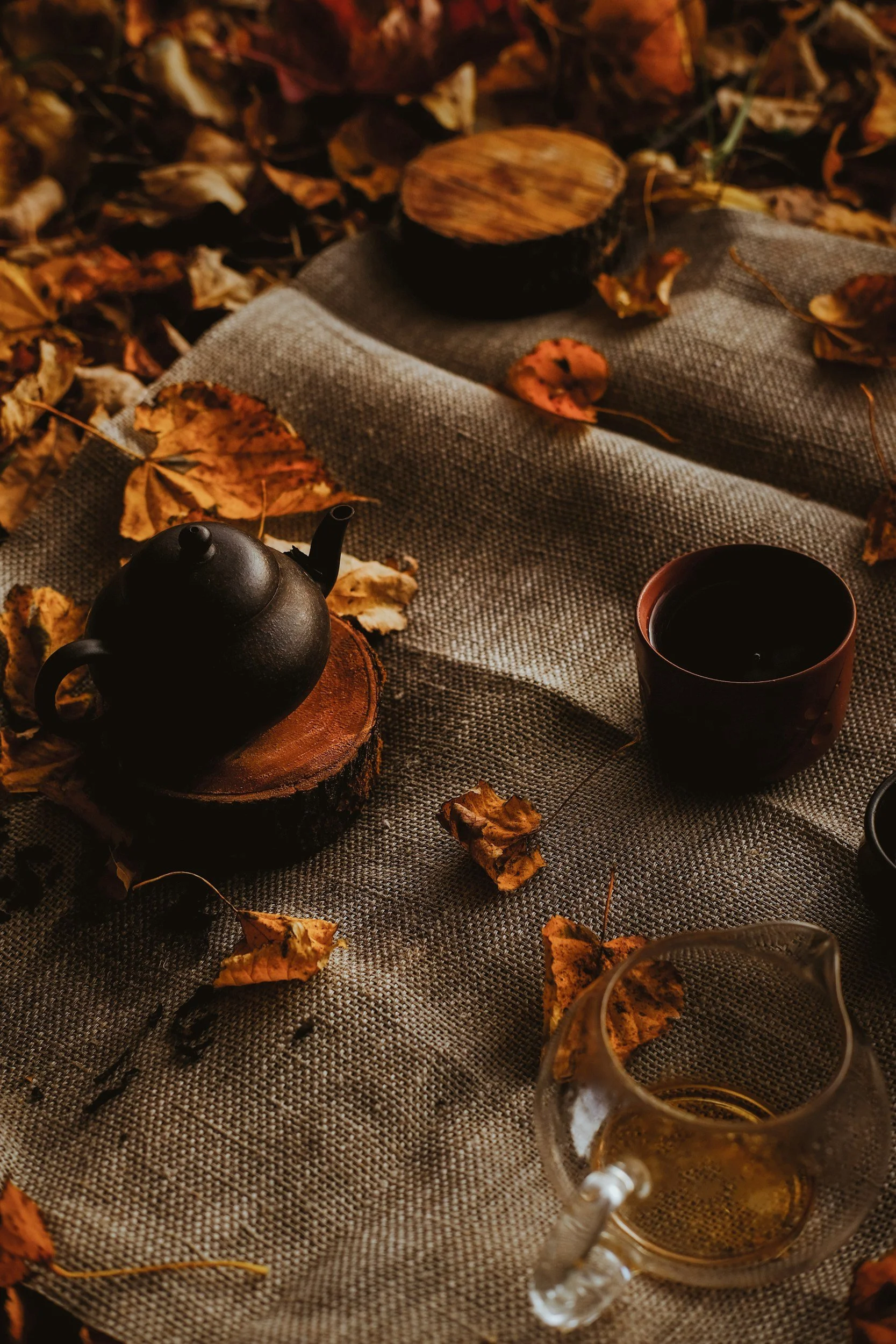
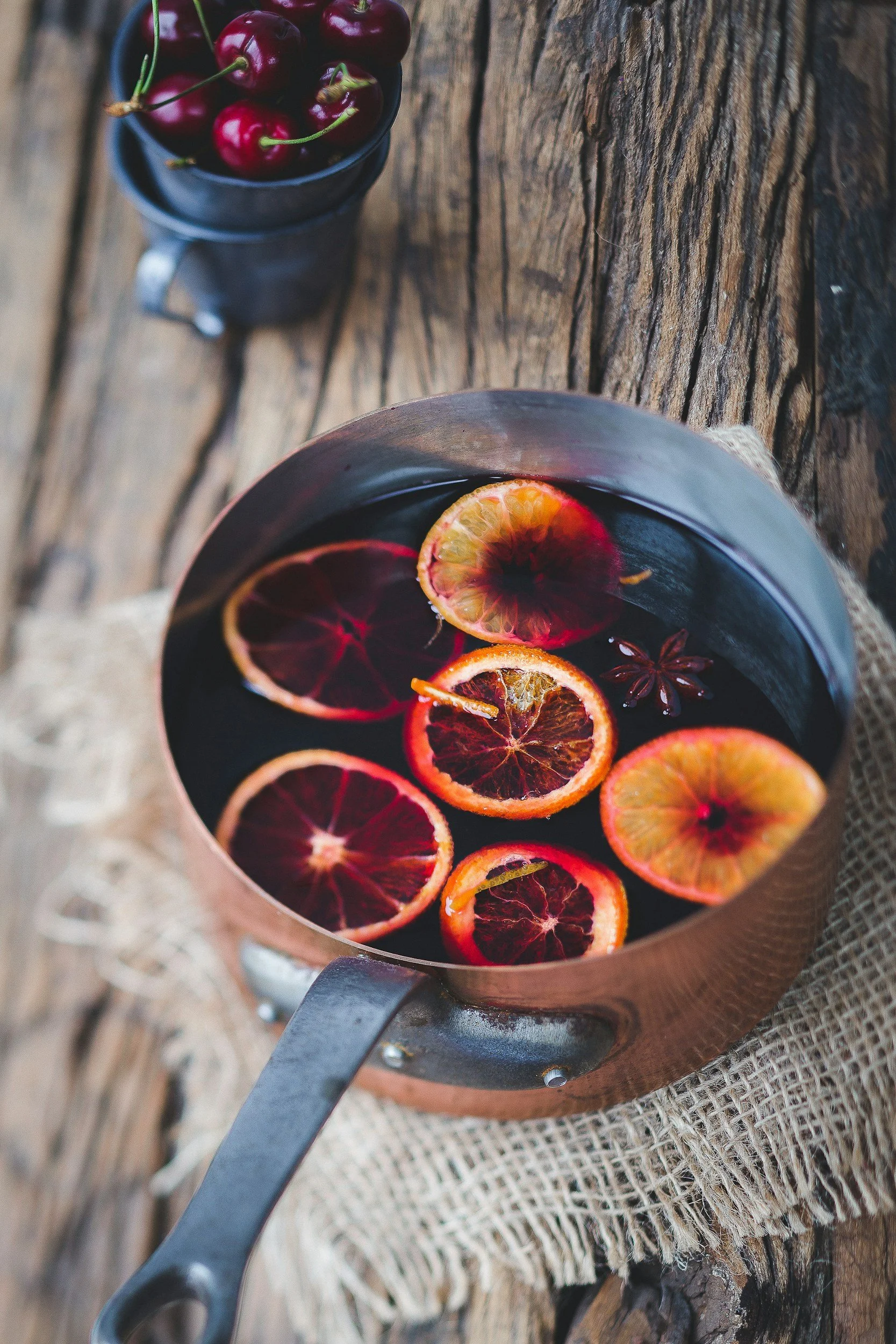
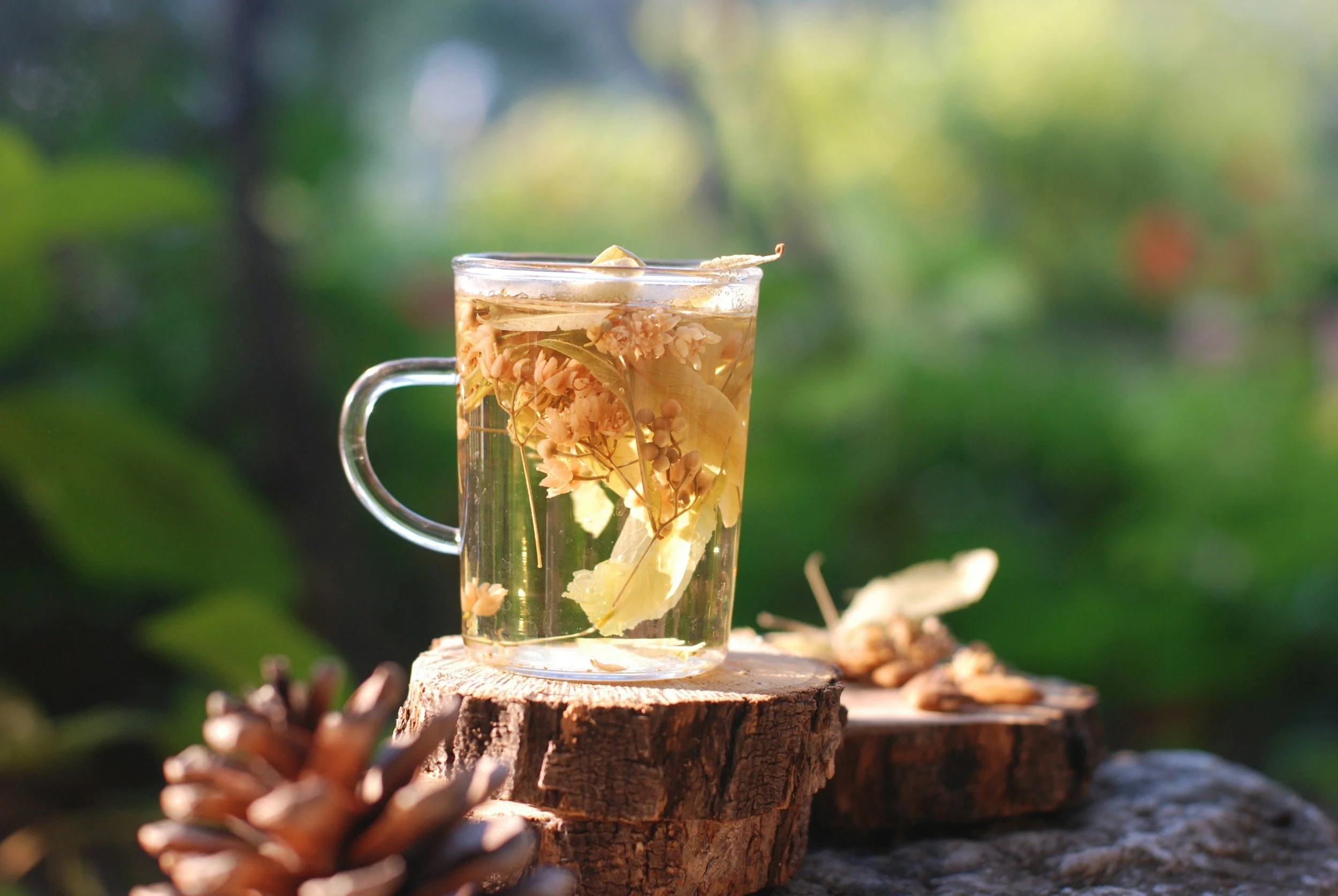
How to move through seasonal change gently
You don’t need a full lifestyle overhaul each season. Small, intentional adjustments are often more effective and sustainable.
Here are gentle ways to move with seasonal change:
1. Adjust your pace before adjusting your plans
As daylight shifts, so does your energy. Seasonal living invites you to notice this before committing to schedules or goals.
Ask yourself:
Do I need more rest or more movement right now?
Does my body want stimulation or simplicity?
Let your energy inform your pace.
2. Eat with the environment, not against it
Seasonal eating doesn’t require strict rules. It simply means choosing foods that support digestion and energy in the current climate.
Across seasons, this might look like:
Warmer, grounding meals as weather cools
Lighter, hydrating foods as weather warms
Supporting digestion during transitional periods
Seasonal foods tend to be fresher, easier to digest, and more aligned with what the body needs at that time.
3. Modify routines instead of replacing them
Rather than creating entirely new routines each season, adjust existing ones.
Examples include:
Earlier evenings as daylight shortens
Slower mornings during colder months
More time outdoors when light and warmth increase
Allow productivity to ebb and flow
Seasonal living values adaptability over rigidity.
Seasonal living as a form of self-trust
Perhaps the most powerful aspect of seasonal living is that it teaches self-trust.
Instead of following external rules, you begin to listen inwardly:
What feels supportive right now?
What feels draining?
What needs adjusting?
Over time, the body no longer needs to shout — it feels heard.
Seasonal living isn’t about doing life “right.”
It’s about meeting yourself where you are, again and again, as the seasons change.
And that — more than any routine — is what creates lasting balance.
