Peppermint: Mentha x Piperita
A Cooling Ally for Warmer Days
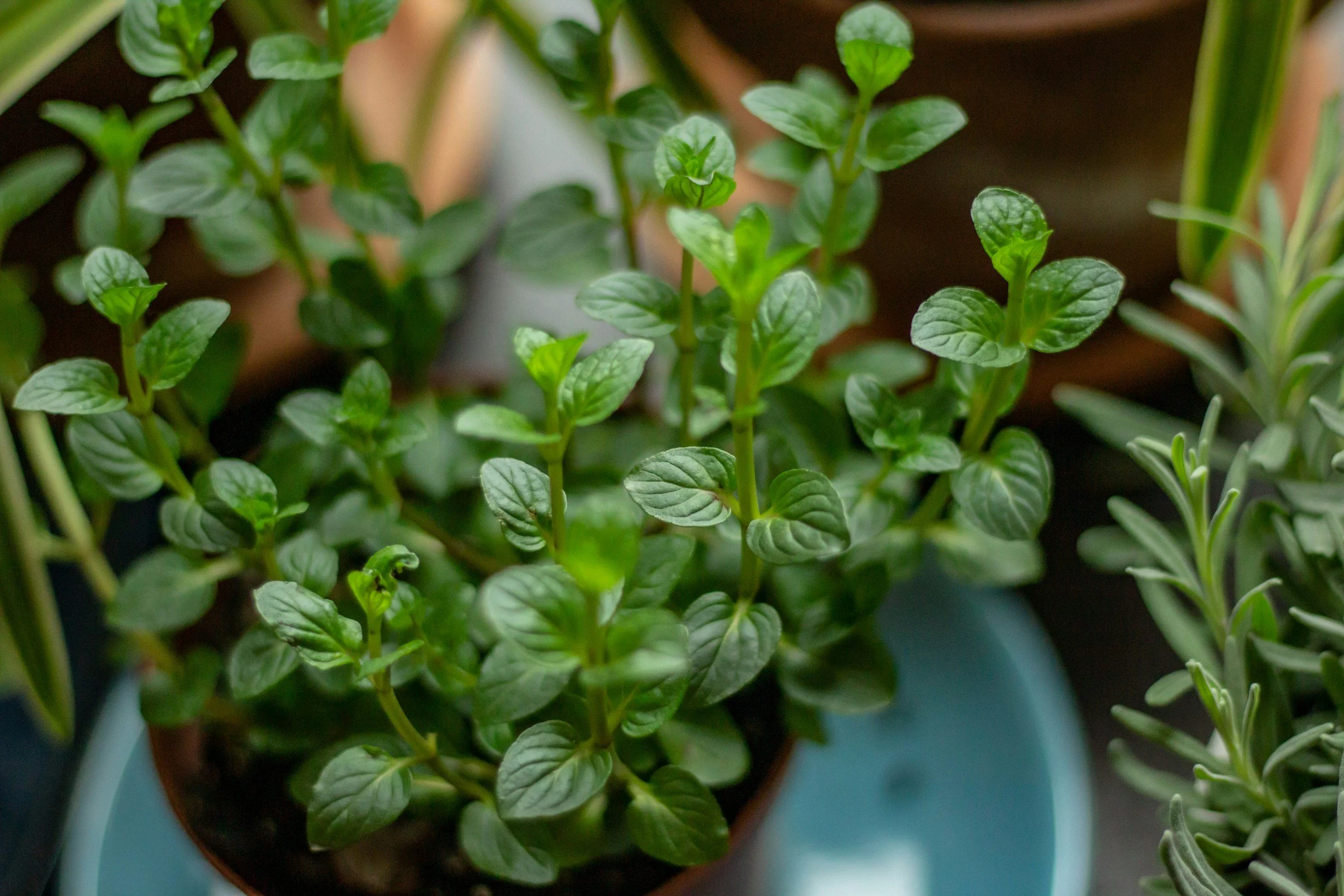
In summer, peppermint becomes a welcome ally—refreshing, uplifting, and steadying—offering its crisp energy to soothe the body and clear the mind. As we explore this herb, we follow the old belief that cooling plants carry wisdom for the warmest days.
Common Name: Peppermint
Latin Name: Mentha x piperita
The genus Mentha is named after the Greek nymph Minthe. As the story goes, Minthe was the lover of Pluto, God of the underworld. When Pluto’s wife discovered the affair, she killed Minthe in a rage of jealousy. Pluto, grieving, transformed Minthe into a fragrant plant so that her presence could live on.
piperita is a derivative of the Latin word ‘piper’, meaning ‘peppery’, which distinguishes peppermint from other forms of mint.
Family: Lamiaceae
Parts Used: Leaf
Essence and Energetics
Archetypes and Correspondences
Elements: Air
Peppermint carries the airy, expansive quality you notice the moment you brush past it - once touched, you’ll be able to notice its scent filling the air.
Peppermint’s primary quality is relaxing spasms, tension, and it is used most commonly to reduce gas and bloating, which are signs of wind.
Planet: Mercury
Mercury rules communication, movement, and the intellect, and plants governed by Mercury tend to be high in volatile oils.
Mercury also has a characteristic of duality, which is beautifully reflected in peppermint’s unique duality of being both icy-cold and hot.
Mercury also governs tension, and many of its herbs help relieve it. Peppermint fits this perfectly, which is well known for relaxing tense and spasmodic tissue states.
Gender: Masculine
Symbolic Associations: Traditionally associated with prosperity, joy, fertility, purification, love, and success.
Energetics and Qualities
Temperature and Energetics: Cooling, warming, drying, stimulating, relaxing, and diffusive
Peppermint has a classic icy hot sensation, with an initial cooling sensation that warms over time due to the stimulation of circulation. This cooling effect is due to menthol, contained in high concentrations within the herb, interacting with the cold-modulating TRP receptors, which exist on thermosensitive sensory neurons. Simply said, menthol activates the neurons responsible for detecting cold, with heat returning as circulation increases. When using peppermint in a medicinal sense, it could be described as short-term cooling, long-term warming.
Its drying quality can largely be attributed to its diaphoretic (increased sweating) and expectorant and decongestant actions (thinning and removal of excess mucus).
Traditionally, peppermint oil is considered stimulating (thanks to its high menthol content), while the whole herb is relaxing — especially to tense, spasm-prone tissues.
Herablist David Hoffman describes diffusive herbs as “quickening and enlivening the physiological activity of the body”, which can be observed in peppermint’s ability to decongest, clear, and move substances within the body by boosting circulation, digestion, and lymphatic activity.
Taste: Pungent and aromatic
Peppermint is distinctively pungent in scent due to its high concentration of aromatic volatile oils, or essential oils, which create its well-known scent. These oils are also what offer the herb many of its medicinal properties. Peppermint is not pungent in the sense of heat, like you may associate with ginger or cayenne, but falls within the aromatic sub-category of pungency.
When considering the taste of peppermint and its associated temperature and energetics, the pungent taste can be attributed to the herb’s versatile use in stimulating and promoting digestion and appetite, causing sweating (diaphoresis), promoting circulation, and its expectorant properties by removing phlegm.
Magickal and Ritual Properties:
Cleansing and clearing: Peppermint has long been used to clear stagnant or obsessive energy. Hanging bundles near doors and windows or using an infusion during cleaning supports purification before ritual or intention-setting.
Protection: Growing or placing peppermint around the home is said to bring good luck and ward off negativity.
Dream connection: While peppermint essential oil may be too stimulating for sleep, the whole herb can support dream connection. A few crushed leaves near the bed are said to encourage intuitive or symbolic dreams.
Prosperity: Carrying a few leaves in your wallet is a traditional charm for calling in abundance and good fortune.
Form and Features
Morphology
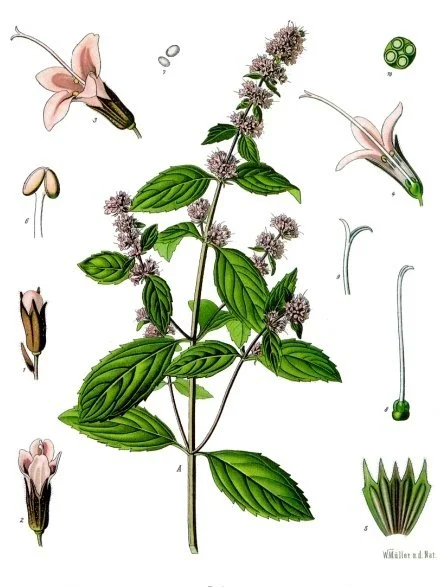
Leaves: Often 4-9cm long and 1.5-4cm wide, the leaves are dark green and can have a reddish vein. They grow opposite one another, and you may read that the leaves have an acute apex, which means that the leaf tip ends in a sharp, short point. The leaves also have a coarsely toothed margin, meaning that the edge of the leaves has a jagged edge.
Stems: Smooth and square.
Flowers: Small (6–8 mm), purple-white with a four-lobe corolla (petals) around the leaves and stems. They grow in whorls off the stem, forming a thick and blunt spike. Often, the flowers will appear from mid to late summer.
Scent: Peppermint has a unique, strong, peppery aromatic scent that is slightly cooling.
Identifying Traits:
Spearmint has a similar aromatic odour and taste to peppermint, however, spearmint doesn’t have the characteristic cooling sensation.
The opposite leaves and square stems are characteristic traits of the mint family.
Don’t Confuse with:
Pennyroyal (Mentha pulegium) is another member of the Lamiaceae mint family, however, it is a toxic variety thanks to one of its constituents, pulegone. This compound is extremely poisonous and is toxic to the liver, and can act as an abortifacient due to its ability to stimulate the uterus. The essential oil of pennyroyal is especially high in pulegone, so it should never be taken internally, as it can cause both liver and kidney damage, multiple organ failure, and even death in both humans and animals. It can be grown as an insect repellent, but use caution when planting to ensure it’s not placed where animals or children may consume it, and where it won’t be mistaken for any of the culinary mints.
The guide below can help to identify pennyroyal vs peppermint.
Growth habit: Peppermint grows upright in a tall and bushy plant, while pennyroyal tends to grow low in a sprawled and creeping style, forming a dense mat. You may find short upright shoots from a pennyroyal plant, but the length will be much shorter than peppermint.
Leaves: Peppermint has serrated (toothed) edges, often with distinct veins and textured leaves. Pennyroyal has smaller leaves with less obvious veins and a smoother edge.
Stem: Peppermint has square, smooth stems that are a purplish colour, while pennyroyal will have square, green or purplish, and slightly hairy or fuzzy stems.
Scent: You can check this by crushing a leaf. Peppermint will have a crispy, sweet, aromatic and strong mint scent, while pennyroyal will smell minty but with more of an acrid and bitter scent.
Flowers: Peppermint’s flowers appear in clusters at the top of stems, while pennyroyal’s flowers tend to appear more along newer shoots.
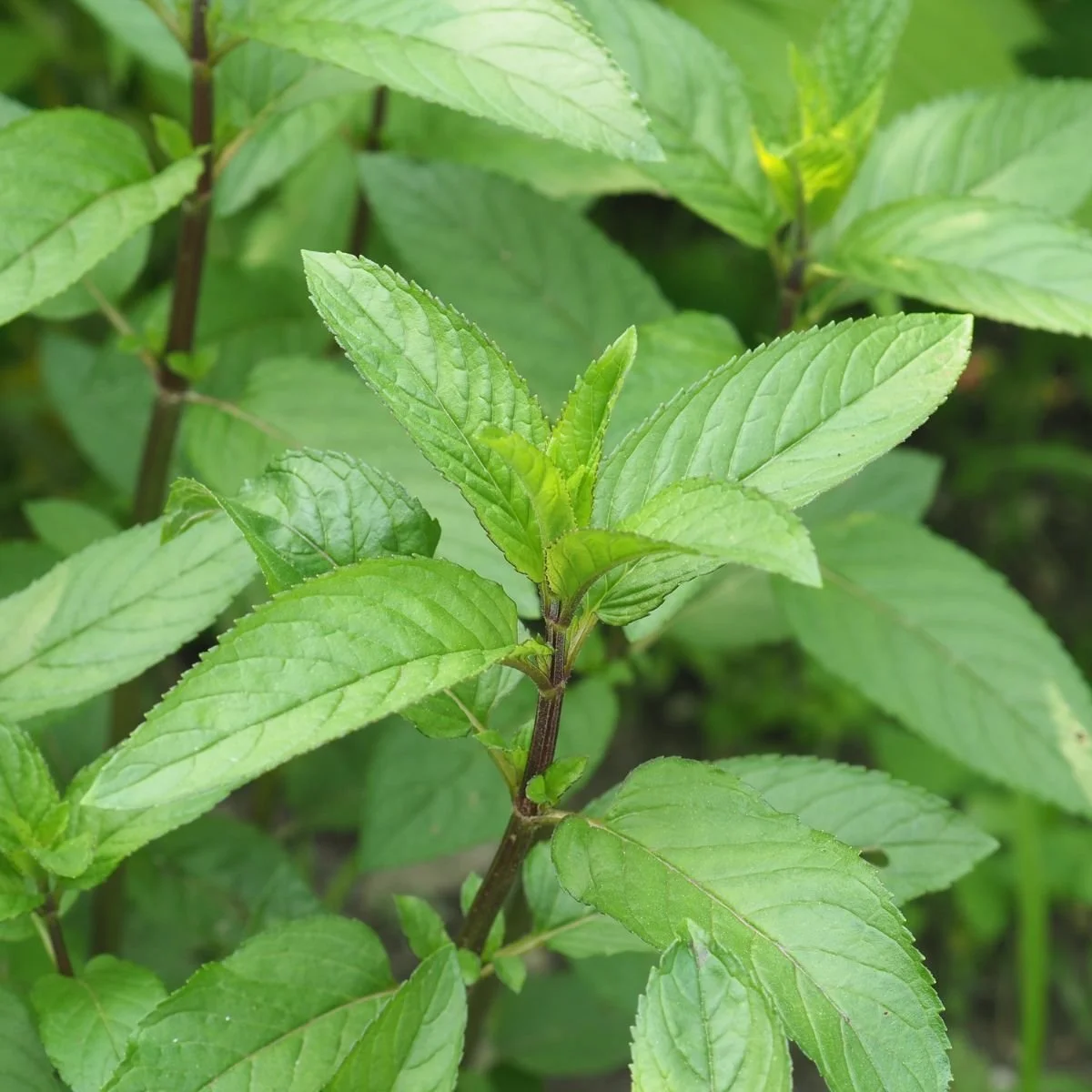
Peppermint (Mentha x piperita)
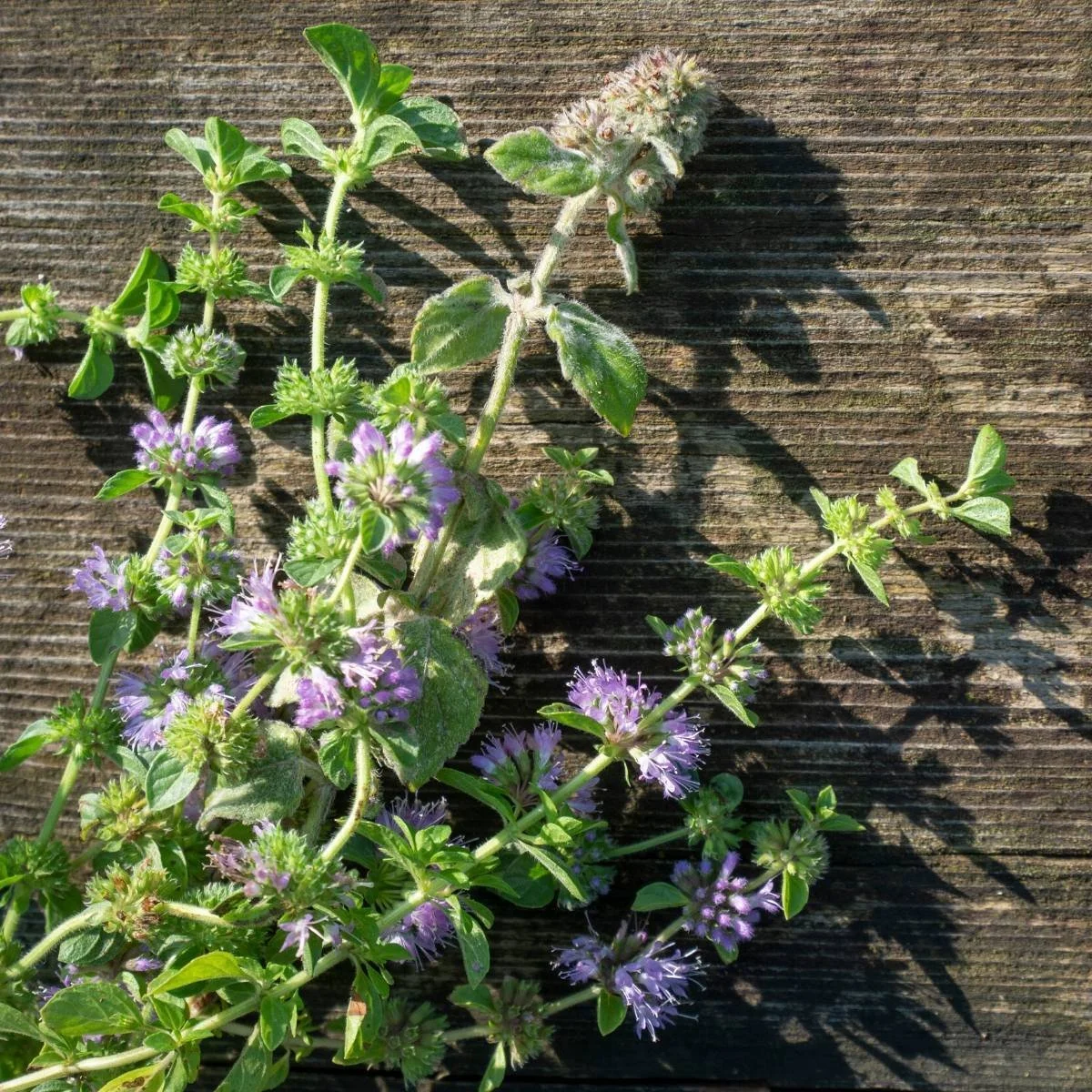
Pennyroyal (Mentha pulegium)
Cultivation and Harvesting
Growing Conditions
pH: Prefers a pH of 5.5-7.5 in moist, fertile, well-drained soil, however, it can grow in many soil types.
Size: Can grow up to 30-90cm tall, and is a creeping plant, so it can spread indefinitely - because of this, it is best grown in a contained space like a pot, a designated raised bed, or install rhizome barriers.
Lifestyle: Creeping, herbaceous perennial
Propagation:
Peppermint is a hybrid of the Mentha aquatica (water mint) and Mentha spicata (spearmint) species, so it is usually sterile and spreads vegetatively via runners rather than by seed.
Can be propagated asexually by root division or stem cuttings. This is one of the easiest plants to divide, and any piece of the stolon, the running underground stem with roots, can be divided.
Any seeds may not come up true to type and may have a scent different to its parents.
Growing:
Peppermint is one of the easiest herbs for beginners — even children. Just keep it contained or it will overtake the garden. If it does spread, simply pull the runners in spring and share them.
The scent of the plant may change after a few years, which happens due to changing soil conditions, pest pressures, and mycorrhizal relationships.
Harvesting
For medicine: Harvest flowering stems just as blooms appear, hang in small bundles to dry.
For eating and culinary use: Pick sprigs anytime to enjoy!
The plant’s aroma strengthens throughout the day and warmer season, so if you prefer a more pungent and strong flavour, harvest more during summer, but if you prefer a milder and sweeter flavour, then opt for spring.
Pollinator and Ecosystem Notes
Pollinators: The flowers attract a range of pollinators, including wasps, bees, butterflies, and hoverflies.
Disease: Generally easy, care-free plants, but can be susceptible to fungal diseases, including leaf spot, powdery mildew, rust, wilt, and stem rot. This can be prevented by muching around the plant to prevent soil splashing up onto the leaves.
Pests: Can be susceptible to spider mites, whiteflies, and aphids.
Modern Medicine and Herbal Applications
Affinities
Digestive system
Nervous system
Upper respiratory system
Female reproductive system
Musculoskeletal system
Circulatory system
Hepatobiliary system
Herbal Actions
Stimulant and relaxing diaphoretic: One of the few herbs that relaxes and stimulates simultaneously. This pattern can be seen by relaxing the vasculature and cooling body temperature by stimulating sweating. This action is why peppermint is so supportive for influenza, colds, flus, and other illnesses that present with chills and fevers.
Rubefacient: As a rubefacient, peppermint triggers vasodilation, which causes a localised increase in blood to the exposed surface area. This will be seen as an increased reddening of the skin, which is also useful in reducing pain. An additional benefit of this action is that increased blood flow to a specific area allows for cleansing and removal of any accumulated metabolic waste, while also nourishing the exposed area with fresh, oxygenated and nutrient-rich blood. This action can only be experienced when peppermint is applied topically - think salves, oils, or as a bath, but be mindful of the hot-cold sensation.
Carminative: This herbal action increases circulation to the digestive system, which can lessen bloating, cramping, and gas. Peppermint within this category is both heating and cooling (notice its taste or sensation when applied topically), which allows it versatility to support both hot and cold digestive patterns; however, it is important to be mindful that its heating qualities may aggravate some gastrointestinal symptoms like heartburn, ulcers, or GERD. This action is also why peppermint can be beneficial for morning sickness.
Analgesic: The high menthol content of peppermint is primarily attributed to offering the herb this action, and has resulted in its use in a variety of scenarios.
As we explored its rubefacient action already, increased blood flow to an area can help to remove accumulated waste, which may cause pain and inflammation and lymphatic stagnation - peppermint, especially if paired with other lymphatic herbs, can help to drain these stagnant fluids and replace the area with fresh, healthy blood. For this situation, something like mastitis or pain experienced during breastfeeding may be supportive (applied topically as a salve as peppermint taken internally may reduce breastmilk flow).
For oral health, the added benefit of antimicrobial activity makes it a popular choice for oral hygiene products and has traditionally been used to reduce toothache pain.
For a sore throat, a strong infusion can be made to gargle and sip, especially if combined with other antimicrobial plants like thyme and sage, to reduce throat pain while also breaking any fever.
Topically, peppermint can be applied to decrease inflammation and itchiness from insect bites, stings, cuts and scrapes, or the sensation of creeping along your skin like you may experience with eczema. Remember that itchiness is considered a form of pain.
Spasmolytic: Herbs within this category of herbal action are known for their ability to ease tension within tissues (usually the tissues of the organ systems the herb has an affinity for), which alleviates both pain, tension, and spasm. In the case of peppermint, it is specifically known as a “biliary spasmolytic”, and is indicated when there is poor-quality bile or gallstones, which result in spasm and therefore pain of the biliary system, or when there is acute gallbladder spasm with painful gas, or biliary colic. These indications are all due to peppermint’s ability to relieve the tension and spasm of the biliary system.
Mild nervine: Within Traditional Chinese Medicine (TCM), headaches are considered a result of liver heat rising, which occurs when the liver becomes overburdened and results in excessive heat rising to the head. Peppermint soothes the nervous system through its cooling actions, but also its richness of volatile oils interacting with the oils coating the nervous system.
Decongestant: A property of the herb supported by its high essential oil content, specifically menthol, which also offers antimicrobial activity. Peppermint is wonderful at clearing the sinuses during a cold, flu, or seasonal allergies, and can help fight sinus infections. Sniffing the essential oil can provide symptomatic relief almost instantaneously, while inhaling the steam of steeped leaves or an essential oil bath can help to clear mucus from both the sinus and respiratory system, opening up tight, tense, and blocked pathways.
Clinical Use
Nausea: Peppermint relaxes the pyloric sphincter, which can tighten in cases of nausea. The analgesic properties of the herb can also have a direct action on the stomach wall, reducing the feeling of needing to vomit. Because it doesn’t stimulate the uterus, it can be a useful intervention for morning sickness and pregnancy-associated vomiting (though always use herbs under the guidance of a professional for safety during pregnancy).
GIT pain, cramps: For most cold and tense digestive patterns, think cramping, spasm, pain, bloating, peppermint is a wonderfully supportive herb. As we explored above under its actions, it relaxes tense muscles, brings circulation and energy back to the digestive organs, and can provide pain-numbing effects to reduce the severity of symptoms.
Hiccups: A simple intervention for alleviating hiccups is to sip on a strong infusion of peppermint. The herb relaxes the lower oesophageal sphincter and involuntary contractions of the diaphragm, alleviating hiccups.
Stagnant and slow digestion: Peppermint can be considered a cooling stimulant, and we see this herb support patterns of cold and sluggish digestion, which can present as slow motility, feeling bloated after meals, constipation, and being prone to excess fermentation in the gut. As a carminative, the herb drives oxygen-rich blood flow to the digestive system, improving circulation and therefore improving digestive capacity.
Appetite loss: As seen above, peppermint improves digestive capacity, but also stimulates bile flow and digestive secretions, which can improve appetite. This action also makes it great for supporting digestion after a large or fatty meal.
Fever and Chills (especially with an impacted digestive system): As we’ve already explored, peppermint can be considered both a stimulating and relaxing diaphoretic.
As a stimulating diaphoretic, it is extremely helpful during the onset of a fever when you feel pale, deficient, and cold, as it stimulates circulation, opening the capillary beds and bringing blood flow to the skin, which produces sweat to cool the body.
As a relaxing diaphoretic, it can help to ease neuromuscular tension during a fever, often seen in the later stages when fever impacts the nerves, and there is physical and mental tension presenting as shivering, alternating fever and chills, agitation, and irritability. This incoordination impacts the nervous system, which in turn impacts the coordination of the digestive system. Remember that digestion is a parasympathetic function (rest and digest), so peppermint is a wonderful ally for this state to support healing and re-coordinate the body’s systems.
Congestion: Peppermint is wonderful for both the lower respiratory system (think lungs and bronchial), where it demonstrates expectorant activity, and also the upper respiratory system (think throat and nose). It has an upward bearing motion, and you can see this pattern in the way it thins thick and congealed mucus, allowing it to be cleared more effectively by coughing or blowing your nose. This makes it a great option for colds, flus, or even allergies.
Neuropathic pain: As we explored under Temperature and Energtics, menthol is responsible for the herb’s pain-relieving properties. Applied topically, the essential oils of peppermint make it a wonderful herb to reduce the pain of neuropathic pain conditions, like carpal tunnel syndrome.
Inflammation: While necessary in a healing response, long-term and unmanaged inflammation can cause more issues - think of it like a wildfire as opposed to a controlled campfire. We can see it presenting as headaches, muscular pain and tension, or skin eruptions which are slow to heal and may be itchy (remember that itching is considered a form of pain). Peppermint applied topically increases blood-flow to the local area, removing accumulated waste (supporting lymph), facilitating healing and also removing pain through its analgesic properties.
Toothache: Applying a cotton pad saturated in distilled oil to a dried and painful tooth can help to reduce the pain, while offering some antimicrobial support to reduce the risk of infection. It isn’t enough to rely only on this method, though, so be sure to see your dentist as well!
Improving cognitive performance: Sipping on an infusion or simply inhaling the essential oils of peppermint has been shown to reduce daytime sleepiness and fatigue, while also improving mood.
Tissue States Interactions
Cold/ depression: May benefit from peppermint as the herb’s volatile oils stimulate both circulation and vitality throughout the body, but particularly in the digestive system.
Wind/ tension: May present with excessive wind, especially in the digestive system as gas, belching, and bloating, which are relieved by the herb’s volatile oils and carminative actions. Additionally, its spasmolytic and nervine activity decreases tension within the musculoskeletal and nervous system.
Heat/ excitation: In scenarios of fever and headaches resulting from liver heat rising, peppermint is beneficial.
Reduces pitta: Its cooling property reduces the heat of pitta.
Reduces kapha: The pungency of the herb can warm kapha.
Relatively neutral or may slightly increase vata: In the short term, peppermint can reduce vata by warming digestion, relaxing musculoskeletal cramping, and calming the nervous system; however, be mindful that it is also a drying herb and can aggravate vata by drying the overall constitution when used long-term.
Preparation
Infusions: A great preparation for when you’re fighting a cold! Inhaling the steam as your tea steeps allows you to inhale volatile oils as well, which can help to break up stagnant mucus within your respiratory tract. Sipping on the tea also relaxes a constricted, tight throat and can help to numb pain.
1-3 teaspoons of dried herb to 1 cup of water, steeped for 15 minutes, is a great way to make a strong infusion.
Throat spray: Prepare a strong infusion, then chill in the fridge. Pour into a small spray and use as needed for a sore throat
Steam inhalations: Another great way to help symptoms during illness. Pour hot water into a bowl and add one to two drops of peppermint essential oil. Move your head over the bowl (wear goggles or keep your eyes closed to avoid the steam and oils getting into your eyes) and drape a towel over your head to capture the steam. Inhale deeply, alternating between your mouth and nose. This is great when mucus and congestion are thick and hard to remove.
Salves: Preparing a salve with essential oil of peppermint is a great versatile option for a variety of ailments. For upper respiratory conditions, the salve can be applied to your chest to alleviate any tightness, spasms, or shortness of breath. It can also help to alleviate a chronic cough and thin mucus, making it easier to expectorate.
The salve, or a carrier oil with peppermint essential oil, can be applied for insect bites, poison oaks, stings, and itchy skin.
Capsules: Capsules are a great way to take peppermint oil at a larger dose and to offer the strongest digestive support. Having a mucilaginous-containing herb, like marshmallow (Althaea officinalis), ensures that the mucilage can bind to the essential oil, slowing down its digestion, and deliver it further into the digestive system.
Safety Notes
The essential oil shouldn’t be inhaled or applied to the face of infants or small children, as menthol can cause the glottis (part of the voicebox) to spasm.
In the case of sensitive or broken skin, be cautious when using a steam of the essential oil or applying the oil neat to the skin, as it may cause a local reaction.
It is contraindicated for use with both hiatal hernias and GERD (persistent acid reflux) as it has a relaxant effect on the lower oesophageal sphincter, which can exacerbate symptoms.
Avoid peppermint during breastfeeding as it can reduce breast milk production.
Doctrine of Signatures
Consider that the icy/ hot flavour and feeling of peppermint is a natural mirror of the chills/ fever experienced during sickness - peppermint is a diaphoretic and has a long traditional use for various forms of illness, especially those resulting in fevers.
Your Journal Prompts
How does this herb make me feel physically and energetically?
How can I integrate this herb into my daily or seasonal rituals?
What personal insights arise when I work with this plant?
